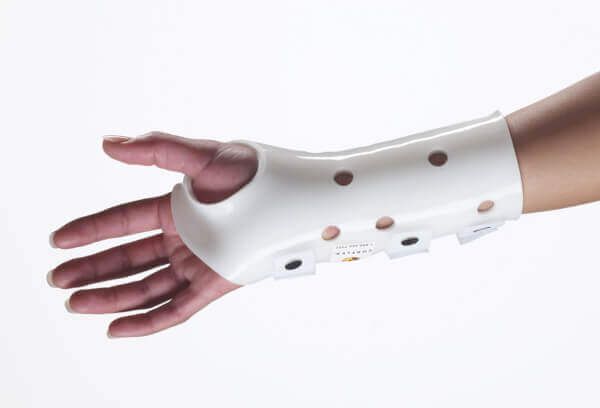
The best carpal tunnel hand brace keeps your wrist in a neutral position, avoids a palmar spine, and is worn at night to reduce pressure on the median nerve and relieve symptoms.
If you’re dealing with numbness, tingling, or wrist pain, choosing the right carpal tunnel hand brace can make a dramatic difference. But here’s the problem: most braces sold online or in pharmacies are not designed for carpal tunnel—and some can actually make symptoms worse.
Here’s exactly what the best carpal tunnel hand brace should do:
The best carpal tunnel hand brace should:
• Keep your wrist in a neutral (straight) position
• Have NO palmar (palm-side) metal spine
• Be worn at night—not during the day
• Prevent wrist bending during sleep
That’s why so many people feel frustrated. You buy a brace expecting relief… but instead, your hand feels tighter, more painful, or even more numb the next morning.
The truth is, carpal tunnel syndrome has very specific mechanical and physiological requirements. And unless a brace is designed with those in mind, it won’t help—and may even delay recovery.
The good news is this: when you use the right brace, and use it correctly, it can be one of the most effective tools for reducing symptoms and supporting healing.
In this guide, I’ll show you exactly how to choose the right carpal tunnel hand brace—and the most common mistakes you must avoid.
❓
People Also Ask
What does a carpal tunnel hand brace do?
It keeps your wrist in a neutral position to reduce pressure on the median nerve and relieve numbness, tingling, and pain.
Can I wear a carpal tunnel hand brace all day?
Usually no. For carpal tunnel syndrome, nighttime bracing is most important, while daytime wear can sometimes increase tendon stress.
What type of carpal tunnel hand brace works best?
The best brace is comfortable, keeps the wrist straight, and does not have a rigid palmar spine pressing into the palm side of the wrist.
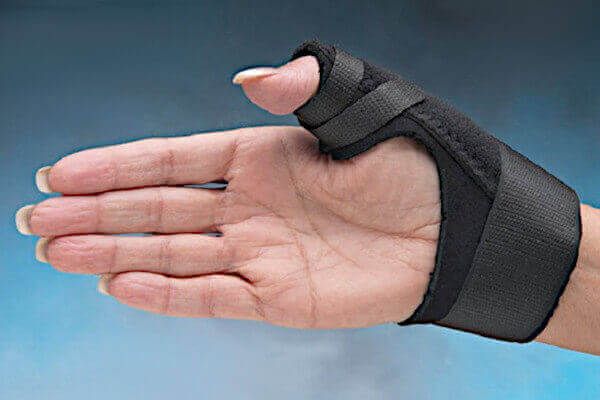
Should a carpal tunnel hand brace have a thumb spica?
No. Thumb spicas are meant for thumb injuries, not carpal tunnel syndrome, and may add unnecessary restriction.
Think this might be carpal tunnel?
Take this quick self-test to see if your symptoms match carpal tunnel syndrome.
Start the Self-Test →
Overview
Choosing the right carpal tunnel hand brace starts with understanding one simple truth:
👉 Not all braces are created for carpal tunnel syndrome.
Most generic braces are designed for sprains, fractures, or arthritis—not for relieving pressure inside the carpal tunnel.
And that’s the core problem.
Carpal tunnel syndrome is caused by
increased pressure inside the wrist, which compresses the median nerve. If your brace increases that pressure—even slightly—your symptoms (pain,
numbness,tingling,
weakness,
shooting electric shocks) can worsen instead of improve.
That’s why selecting the correct brace isn’t optional. It’s critical.
Splints vs Braces
Although often used interchangeably, splints and braces serve slightly
different puroses:
- Splints → fully immobilize a joint
- Braces → support and guide controlled movement
For carpal tunnel syndrome, both function similarly. What matters most is that the device:
- Keeps the wrist straight
- Avoids harmful pressure
- Allows proper circulation
The Goal of Hand Bracing
The purpose of a carpal tunnel hand brace is not simply to “support” your wrist—it’s to
protect the internal structures of the carpal tunnel.
Specifically, a proper brace should:
- Maintain a neutral (straight) wrist position
- Reduce pressure on the
median nerve
- Allow fluid inside the wrist to drain naturally
- Prevent harmful wrist bending during sleep
When these goals are met,
symptoms like numbness, tingling, pain, and electric shocks begin to improve.
How to Choose the Right Carpal Tunnel Hand Brace
The best carpal tunnel hand brace has very specific features:
✅ Key Features to Look For
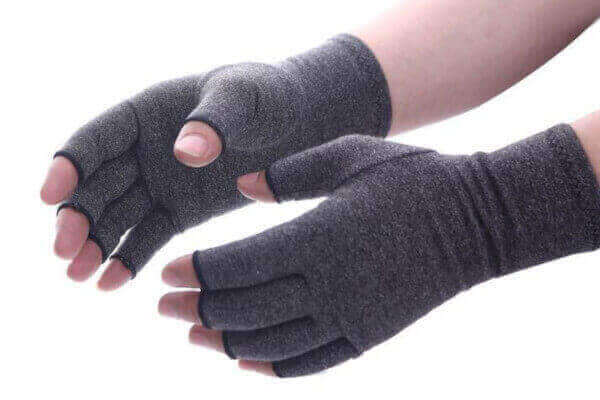
- Soft, breathable fabric (not rigid plastic)
- No metal or rigid “palmar spine” on the palm side
- Comfortable enough for nightly wear
- Keeps the wrist in a
neutral position
- Not overly tight (to allow
circulation and
fluid drainage)
- Easy to put on (especially important if
both hands are affected)
- Durable and washable
👉 Most importantly:
The brace should
support—not compress—the wrist.
A brace
certified by carpal tunnel doctors is the best.
Generic Brace vs Proper Carpal Tunnel Hand Brace
Not every wrist brace is designed for carpal tunnel syndrome. The right brace should protect the median nerve—not compress the wrist.
| Feature |
Generic Wrist Brace |
Drugstore “Carpal Tunnel” Brace |
Proper Carpal Tunnel Hand Brace |
| Wrist position
|
Inconsistent ❌ |
Neutral-ish ⚠️ |
True neutral ✅ |
| Palmar spine
|
Often present ❌ |
Often present ❌ |
No palmar spine ✅ |
| Best time to wear
|
Often misused during activity ❌ |
Often worn too long ⚠️ |
Nighttime use ✅ |
| Effect on pressure
|
May increase pressure ❌ |
Depends on design ⚠️ |
Helps reduce pressure ✅ |
| Comfort overnight
|
Variable ⚠️ |
Often bulky ⚠️ |
Comfortable for sleep ✅ |
| Best for CTS recovery
|
Poor fit ❌ |
Limited ⚠️ |
Best choice ✅ |
Which Brace Works Best for Carpal Tunnel?
Generic Wrist Brace ❌
- Inconsistent wrist support
- Often includes palmar spine
- May increase pressure
- Poor for long-term relief
Drugstore “Carpal Tunnel” Brace ⚠️
- Neutral-ish positioning
- Often has palmar spine
- Bulky for sleep
- Limited effectiveness
Proper Carpal Tunnel Hand Brace ✅
- True neutral wrist position
- No palmar spine
- Comfortable for nighttime use
- Reduces pressure on the median nerve
10 Common Mistakes to Avoid
Mistake #1
Using a brace for pain relief
A brace doesn’t directly eliminate pain like medication. Its job is to prevent harmful movement
so healing can occur. Hand bending may cause
pain and tissue damage and the brace helps control that.
Mistake #2
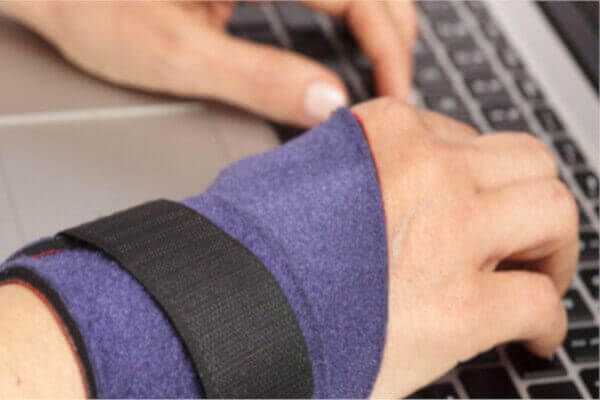
Wearing a brace while working
Wearing a brace during activity can actually increase stress on your tendons. Your hand subconsciously fights the restriction (essentially doing
isometric exercise) which worsens
inflammation. It also inhibits
fluid drainage from inside the wrist joint.
Mistake #3
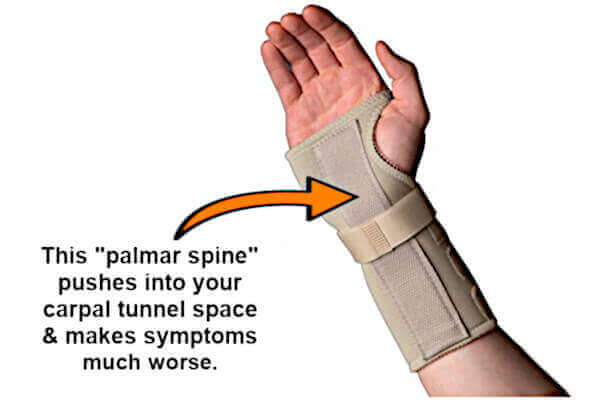
Using a brace with a palmar spine
This is one of the most harmful mistakes.
A rigid spine on the palm side can:
- Increase pressure inside the
carpal tunnel spac
- Compress the median nerve
- Make symptoms worse overnight
Mistake #4
Tightening the brace too much
Over-tightening restricts:
Both are essential for healing.
Mistake #5
Not wearing the brace at night
Nighttime is when the most damage occurs.
During sleep, your wrist often bends for hours—dramatically increasing pressure inside the carpal tunnel. A night brace (without a palmar spine) prevents such bending.
Mistake #6
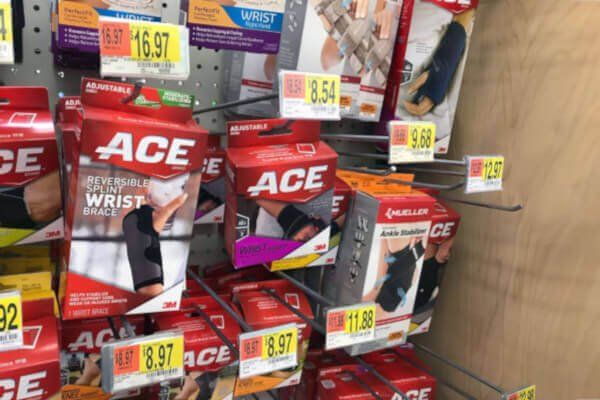
Assuming expensive means better
Price does not equal effectiveness. Many high-priced braces offer no additional benefit—and may still have poor design features. The vast majority of good quality carpal tunnel braces (available only online) sell for $40-$60.
Mistake #7
Trusting “treats carpal tunnel” labels
Mistake #8
Thinking a brace alone is enough
Bracing is just one part of a carpal tunnel treatment.
Depending on
severity, you may also need:
Mistake #9
Using a thumb spica unnecessarily
Thumb spicas are for thumb injuries and
de Quervain’s tenosynovitis—not carpal tunnel syndrome.
They can:
- Restrict natural movement
- Increase internal pressure
Mistake #10
Following outdated advice
Many general practitioners recommend wearing braces 24/7—but this approach is outdated for carpal tunnel syndrome.
Summary
A carpal tunnel hand brace can be one of the most effective tools for relieving symptoms—but only if you choose the right one and use it correctly.
The key principles are simple:
- Keep the wrist straight
- Avoid pressure on the palm caused by a palmar spine
- Wear it only at night—not during the day
- Ensure comfort for consistent use
When done properly, bracing can significantly reduce symptoms and support long-term recovery.
About Dr. Zannakis