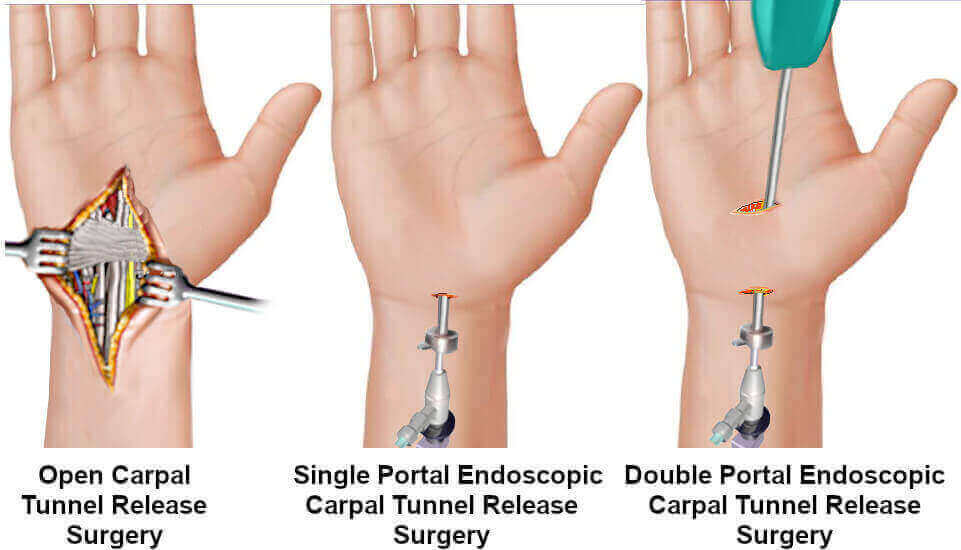
Carpal tunnel release is a surgery that cuts the transverse carpal ligament to reduce pressure on the median nerve and relieve severe carpal tunnel symptoms.
The thought of needing carpal tunnel release surgery can feel intimidating.
Most people hope their symptoms improve with braces, stretching, massage, or other conservative treatments. And in many cases, they do. But when severe symptoms persist and nonsurgical therapies fail, surgery may become necessary.
Carpal tunnel release is designed to reduce pressure on the median nerve inside the wrist. The operation can relieve pain, numbness, tingling, and weakness, but recovery time and results vary depending on the procedure performed.
Understanding the different surgical options and what recovery really looks like can help you make a more informed decision.
Carpal tunnel release
is a surgery that cuts the transverse carpal ligament in the wrist to relieve pressure on the median nerve. It is usually recommended for severe or persistent carpal tunnel syndrome that does not improve with nonsurgical treatment.
Before Considering Surgery…
First find out whether you actually have carpal tunnel syndrome — and how severe it may be.
People Also Ask
What is carpal tunnel release surgery?
Carpal tunnel release surgery cuts the transverse carpal ligament to reduce pressure on the median nerve inside the wrist.
How long does recovery take after carpal tunnel release?
Recovery may take several weeks to months depending on the type of surgery, the hand involved, and the patient’s job and health status.
What are the risks of carpal tunnel release surgery?
Possible risks include infection, nerve injury, scar tenderness, stiffness, weakness, and persistent symptoms.
Is endoscopic carpal tunnel release better than open surgery?
Endoscopic surgery often allows faster recovery and smaller scars, but open surgery may provide better visibility and lower complication risk.
Can carpal tunnel come back after surgery?
Yes. Symptoms can return after surgery in some patients, especially if repetitive hand stress continues.
When Is Carpal Tunnel Release Needed?
Most people with carpal tunnel syndrome improve without surgery. Conservative therapies such as
stretching exercises,
night bracing,
myofascial massage, and activity modification often provide significant relief.
However, surgery may become necessary when:
Carpal tunnel release surgery is generally reserved for persistent or advanced cases.
⚠ When Surgery Should Not Be Delayed
Seek prompt medical evaluation if you develop:
- severe thumb weakness
- visible thumb muscle wasting
- constant numbness
- loss of finger coordination
- worsening hand weakness
Types of Carpal Tunnel Release Surgery
There are two primary forms of carpal tunnel release surgery:
- Open carpal tunnel release
- Endoscopic carpal tunnel release
Both procedures involve cutting the
transverse carpal ligament to reduce pressure on the
median nerve.
The difference lies in how the
surgeon reaches and cuts the ligament.
Open Carpal Tunnel Release
Open carpal tunnel release is the traditional surgical method and remains the most commonly performed procedure.
While you are under
general anesthesia, the surgeon makes an incision in the palm to directly visualize the ligament before cutting it.
Advantages
- Better visibility inside the wrist
- Lower risk of accidentally injuring nearby structures
- Widely available and familiar to most surgeons
Disadvantages
Recovery after open surgery often takes several weeks to months.
Endoscopic Carpal Tunnel Release
Endoscopic surgery uses a small camera and specialized instruments inserted through tiny openings in the wrist or palm.
There are two variations:
- Single portal technique
- Double portal technique
Advantages
Disadvantages
- Reduced visibility for the surgeon
- Higher technical difficulty
- Potentially greater
complication risk
Not all surgeons perform endoscopic procedures because they require additional specialized training.
⚠ Surgery Does Not Guarantee Complete Relief
Many patients expect carpal tunnel release surgery to completely eliminate symptoms immediately. In reality, recovery can take months, and some patients continue experiencing numbness, weakness, pain, or recurrent symptoms even after surgery.
The differences between open and endoscopic carpal tunnel release become especially important when considering recovery time, scarring, and complication risk.
Open vs Endoscopic Carpal Tunnel Release
| Feature |
Open Surgery |
Endoscopic Surgery |
| Incision Size |
Larger |
Smaller |
| Scar Size |
Larger |
Smaller |
| Recovery Speed |
Slower |
Faster |
| Visibility for Surgeon |
Better |
More limited |
| Scar Tenderness |
More common |
Less common |
| Technical Difficulty |
Lower |
Higher |
Recovery After Carpal Tunnel Release
Recovery depends on several factors, including:
- the type of surgery performed
- whether the dominant hand was treated
- your occupation
- overall health
- smoking status
Most patients return to work sooner after endoscopic surgery than after open surgery.
Grip strength often temporarily worsens after surgery and may take months to improve. Some patients also require hand therapy and rehabilitation exercises during recovery.
Like any operation, carpal tunnel release surgery carries risks. Possible complications include:
- infection
- nerve injury
- scar tenderness
- persistent pain
- wrist stiffness
- reduced grip strength
- recurrent symptoms
Some patients eventually require
revision surgery, although repeat procedures are generally less successful.
Thinking About Carpal Tunnel Release?
Before deciding on surgery, understand how advanced your condition may be and whether conservative treatment could still help.
Is Carpal Tunnel Release Worth It?
For patients with severe nerve compression, surgery may significantly improve quality of life. However, results vary widely.
Some patients experience rapid symptom relief, while others continue struggling with numbness, weakness, or pain for months or years afterward.
The best outcomes usually occur when:
Surgery should generally be considered only after
conservative options have been exhausted. For many patients, the decision ultimately depends on how severely symptoms interfere with daily life and work activities.
Carpal tunnel release surgery reduces pressure on the median nerve by cutting the transverse carpal ligament inside the wrist. The two primary surgical options are open and endoscopic release.
While surgery can help severe cases, recovery may take weeks or months, and some patients continue experiencing symptoms afterward. Understanding the risks, benefits, and recovery expectations is important before deciding on surgery.
- Carpal tunnel release surgery cuts the transverse carpal ligament to relieve pressure on the median nerve.
- Surgery is usually reserved for severe or persistent symptoms that do not improve with conservative treatment.
- Open surgery offers better visibility but often involves longer recovery and larger scars.
- Endoscopic surgery usually allows faster recovery and less scarring but requires greater surgical skill.
- Recovery time varies widely depending on the procedure, occupation, and overall health.
- Some patients continue experiencing symptoms or weakness even after surgery.
- Understanding the risks and realistic expectations is critical before deciding on surgery.