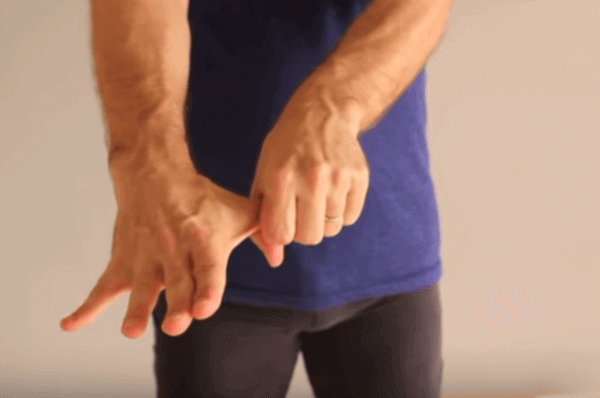
Awesome carpal tunnel stretches can reduce wrist pain, numbness, and tingling by improving circulation, loosening tight tendons, and relieving pressure on the median nerve.
If your hands feel stiff, numb, weak, or tingly after typing, gripping tools, scrolling on your phone, or sleeping, simple stretching exercises can help. The good news is that you don’t need complicated equipment, medications, or surgery to start feeling better.
These awesome carpal tunnel stretches are designed to loosen tight tendons, improve blood flow inside the wrist, and reduce pressure on the median nerve — the root cause of carpal tunnel symptoms. When performed regularly throughout the day, they can ease pain, improve flexibility, and even help prevent symptoms from getting worse.
The best awesome carpal tunnel stretches help reduce wrist pain, numbness, tingling, and stiffness by improving circulation and relieving pressure inside the carpal tunnel. Effective stretches include the finger interlock stretch, stop-position stretch, thumb stretch, and prayer stretch. Performing them every 30–60 minutes during repetitive hand activity can help prevent and relieve carpal tunnel syndrome naturally.
Find Out If Your Symptoms Are Really Carpal Tunnel
Stretching helps — but persistent numbness, tingling, or hand pain may mean your median nerve is already under pressure. Use these two free tools to check your symptoms and severity.
Why these awesome carpal tunnel stretches relieve wrist pressure
These awesome carpal tunnel stretches do more than simply loosen your hands. They help reduce tendon tightness, improve circulation, and relieve pressure inside the
carpal tunnel — the main causes of
numbness, tingling,
pain,
burning,
weakness, and
electric shock sensations.
Repeated hand use from typing, gripping, scrolling, driving, or lifting can irritate and swell the flexor tendons inside the wrist. Stretching helps reverse that process by:
- Loosening stiff tendons and connective tissue
- Improving blood flow to irritated tissues
- Encouraging fluid drainage from the wrist joint
- Improving
tendon glide and flexibility
- Reducing stiffness and hand fatigue
With consistent daily stretching, many people notice their hands feel looser, warmer, stronger, and less painful within days.
4 Awesome carpal tunnel stretches
1. Finger interlock stretch
2. Stop position stretch
3. Thumb stretch
4. Forearm (prayer) stretch
How often should you stretch?
To get the best results, follow the
30-30 Rule: take a short, 30 second break for every 30 minutes of hand activity to perform these stretches. This helps prevent fatigue and strain before symptoms begin.
Performing these
carpal tunnel exercises daily can also help reverse early signs of carpal tunnel syndrome and reduce long-term wrist stiffness.
Still Having Tingling or Numb Hands?
Daily stretching can relieve early symptoms, but worsening numbness, weakness, or nighttime pain may signal advancing carpal tunnel syndrome.
A prescription for healthy hands
These
awesome carpal tunnel stretches are like a prescription for healthy, flexible hands. Doing them regularly can help:
- Prevent carpal tunnel syndrome.
- Reduce pain, numbness, and tingling.
- Improve hand strength and endurance.
For best results, pair these stretches with
non-surgical therapies like
CarpalRx treatment, which uses precise myofascial release to relieve pressure inside the wrist joint — targeting the root cause of carpal tunnel symptoms.
Summary
Awesome carpal tunnel stretches are one of the easiest and most effective ways to keep your hands flexible, comfortable, and healthy. By stretching your fingers, thumbs, wrists, and forearms throughout the day, you can improve circulation, reduce tendon tightness, and relieve pressure on the median nerve before symptoms become severe.
These simple exercises can help reduce numbness, tingling, pain, stiffness, and hand fatigue caused by repetitive activity. In many mild cases, consistent stretching may even stop carpal tunnel syndrome from progressing.
For the best results, combine daily stretching with other conservative treatments that reduce wrist inflammation and internal pressure — especially therapies like
CarpalRx, which target the root cause of carpal tunnel symptoms naturally and without surgery.
FAQs
1. How often should I do carpal tunnel stretches?
Perform these stretches every 30–60 minutes during repetitive hand activity. Frequent stretching improves circulation and helps prevent wrist stiffness, fatigue, and tendon inflammation.
2. Can these stretches cure carpal tunnel syndrome?
In mild cases, yes. Regular stretching can relieve pressure on the median nerve and reduce symptoms naturally. For advanced cases, pairing these exercises with non-surgical therapy like CarpalRx offers the best results.
3. What if my symptoms get worse during stretching?
If pain or tingling increases, stop immediately and rest your hands. Resume gently later or consult a professional. Persistent symptoms may indicate advanced carpal tunnel syndrome that requires further treatment.
About Dr. Zannakis